Deciding to build a home is a huge decision. If you’re anything like us, we didn’t know where to start. We didn’t have land, a builder, an architect, or anything for that matter. Some people suggested finding a builder first so they could help with purchasing land, others said buy land so you can hire an architect to draw plans. We. Were. Lost.
We decided to buy land first because of the following reasons:
- We wanted flexibility to choose the right builder and compare prices without being locked in to the builder that owned the lot
- We wanted to spend time finding the perfect land
- We wanted to find a good deal and save money on the land so we could invest more into the house
- We didn’t want subdivision land, which is what most builders would have pushed us into
- We decided to fit the house to the lot instead of the lot to the house, thus putting more importance on location than design
Next came the fun part, Time to go shopping! Here are a few practical tips to help you avoid risk and hopefully save money on land:
- You get what you pay for: If it looks too good to be true, it probably is. Subdivision land is priced by a developer so you’re probably not getting any deals there. Individual sellers if anything, tend to over value their land. If the price is low, you’ll often find additional hurdles or issues with the land; like there’s soil problems, it’s in a floodplain, or there’s a train nearby.
- Call the city planner that governs the land: The city planner will have the most information on any land for sale. Call the town or city planner and ask as many questions as possible. They are a great third party resource and aren’t typically going to give you bad information. They will fill you in on background info, soil issues, building codes, setbacks, etc.
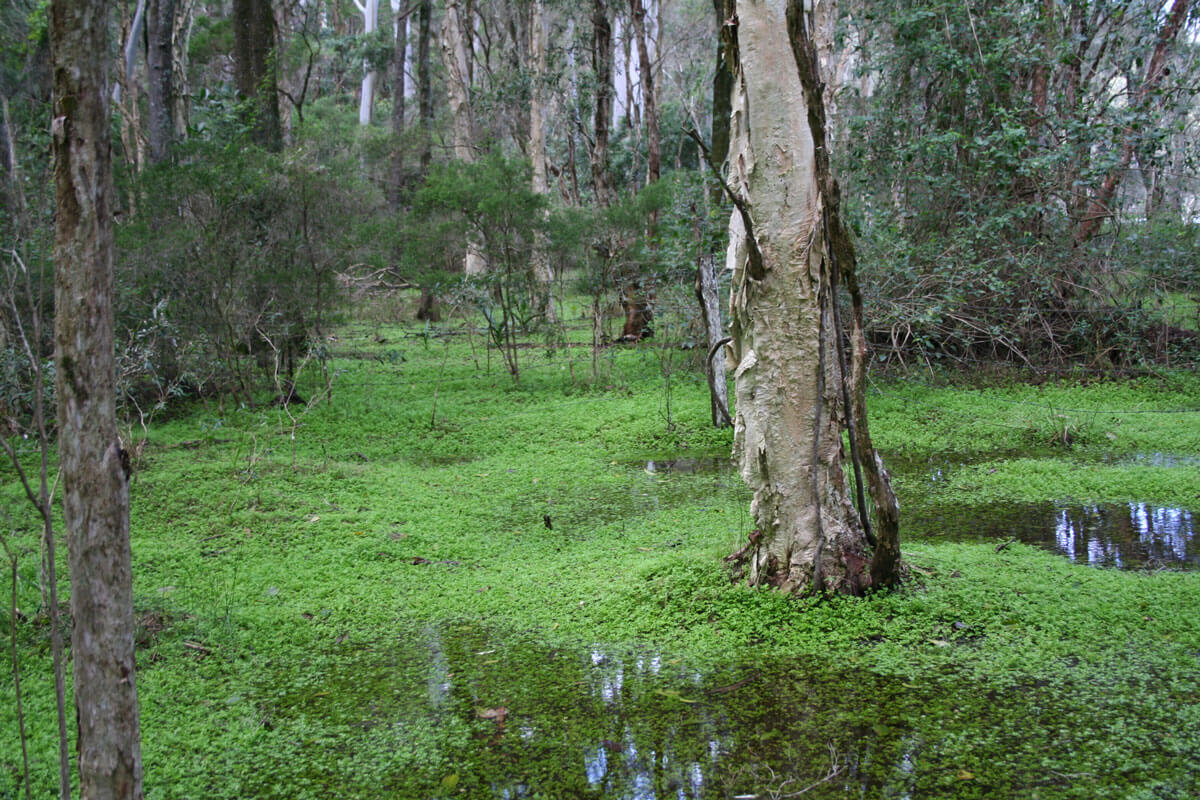
- Check if the land is considered a Wetland or Conservancy area: This would mean that the DNR or federal agencies could have some governance over the land as well. They should be able to view the parcel and tell you if any building restrictions are on the land.
- Know your setbacks and building restrictions: Again, call the governing agency that is in charge of the land and talk to the planer. They will be able to give you the pertinent information you need to have in order before you can build a home.
- Talk to the neighbors: This one can be kind of uncomfortable at times, but if reasonable go talk to the neighbors and ask them what they know about the land and what the area is like. We were considering buying land near a railroad and the neighbor told us that it was loud and the whistles blew all through the night. This was very valuable information. Besides, if nothing else you get to meet the folks you might be living next to for a very long time.
- Get your finances in order: Know your budget and what you’re pre-approved for. Keep PMI in mind if you don’t have a large enough of a down-payment to get that waived (usually 20%). If your purpose for buying land is to build a home you’re going to live in (you’re not an investor) on it, then I’d be very careful not to strain your finances to get the land. It’s too much of a risk to sink a lot of money into something that has not utility and can lose value very quickly. The best way to avoid risk is to pay with cash—it makes closing a cinch as well.
- Work with an attorney or real estate agent: when researching and making an offer to purchase to buy land you need to make sure you know what you’re getting and that they transaction is legit. An experienced lawyer or real estate agent can help you make sure you’re getting what you expect and that the transaction is completed in a professional and timely matter.
If you have other tips or questions regarding purchasing a land please leave a comment in the comments section. Happy hunting!